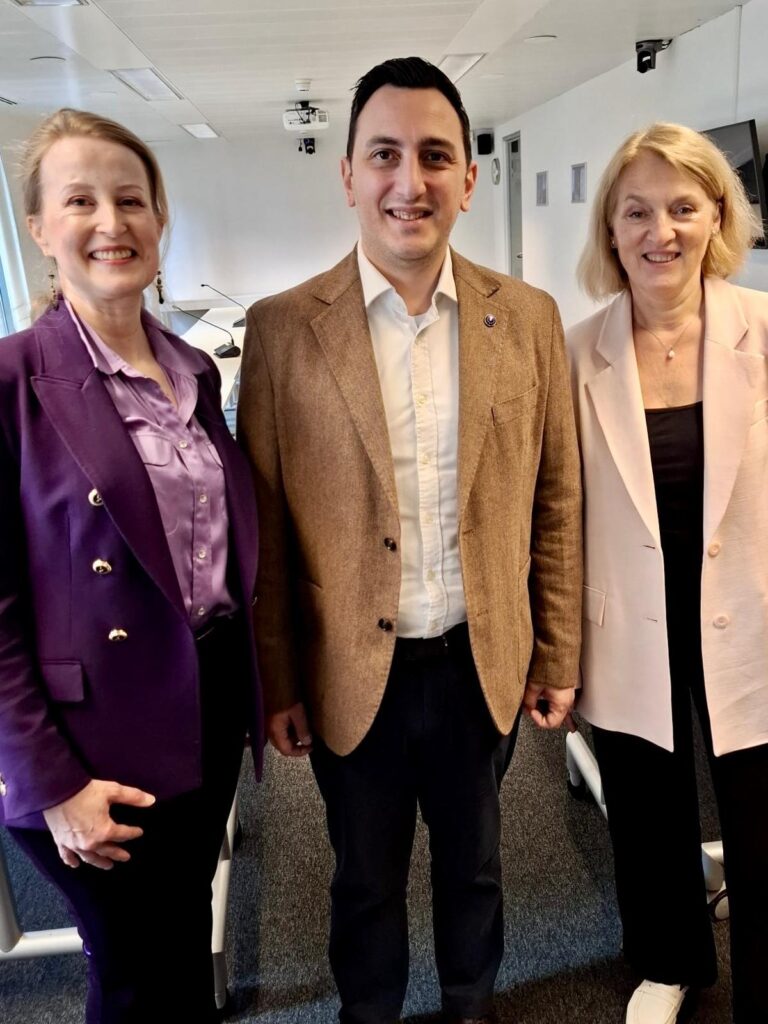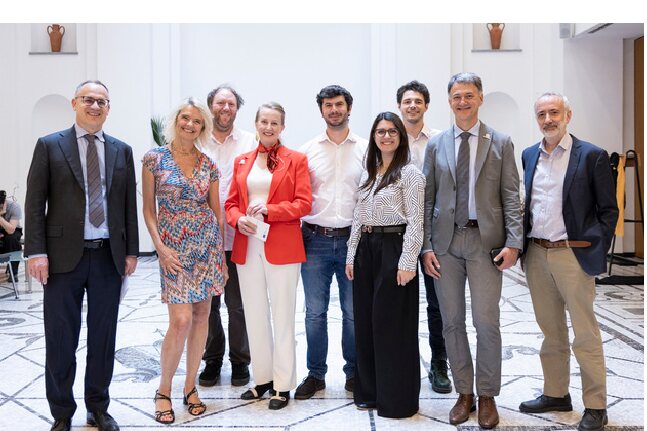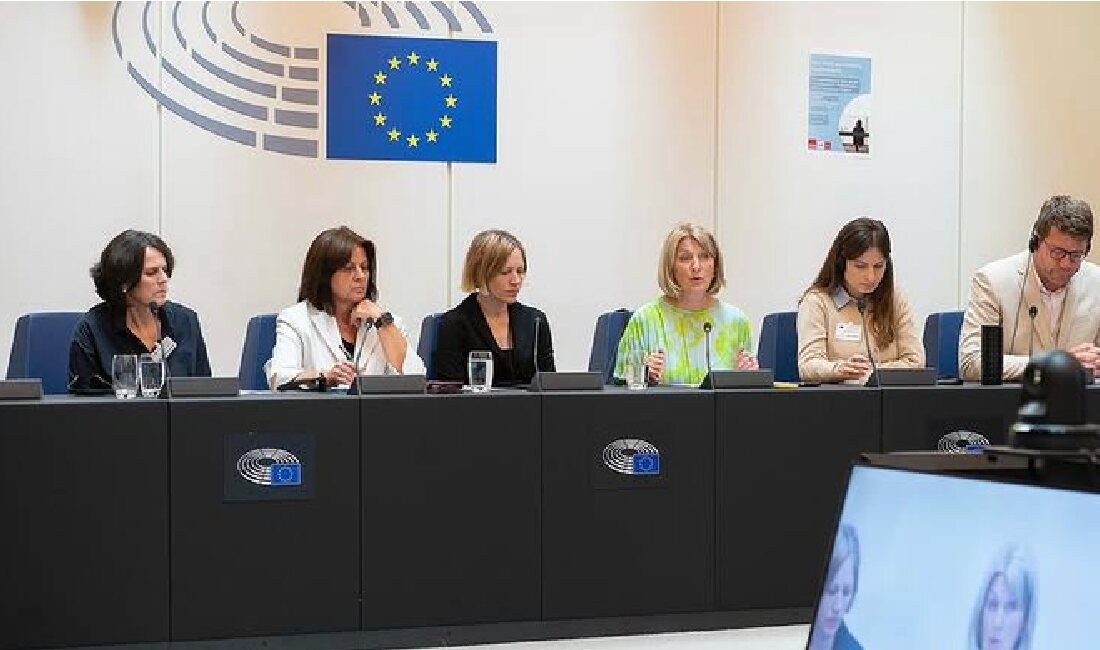
On 9 July 2025, AK EUROPA, the Brussels office of the Austrian Chamber of Labour, and MEP Evelyn Regner organised an event in the European Parliament in Strasbourg. It was called “New Living and Working Environments. The Psychological and Social Consequences.”
Dr. Hans Rocha IJzerman, LONELY-EU work package leader at the Annecy Behavioral Science Lab, spoke at the event. He said that the project’s full findings are still to come, but that global data already point to three urgent priorities.
- Economic insecurity feeds disconnection. Low income, unstable jobs, and financial stress limit people’s chances to connect, from paying for transport to having time for a social life.
- Disconnection among young people is structural. He linked it to insecure work, precarious housing, and the loss of safe social spaces, and argued that screens are not the main driver. Early chances to connect in schools, jobs, and communities lay the foundation for civic trust.
- Work shapes our capacity to connect. Long hours, precarious contracts, and isolating workplaces make relationships harder to build and keep. Connection at work has to be built into workplace structures through inclusive practices, protected time, and supportive norms.
He added that these risks rarely occur on their own. LONELY-EU will make these overlapping vulnerabilities visible, so that policymakers can see how disconnection builds up across different areas of life.
Evelyn Regner is one of the two patrons of LONELY-EU. Thanks to her efforts, interest in loneliness keeps growing within the European Parliament.